

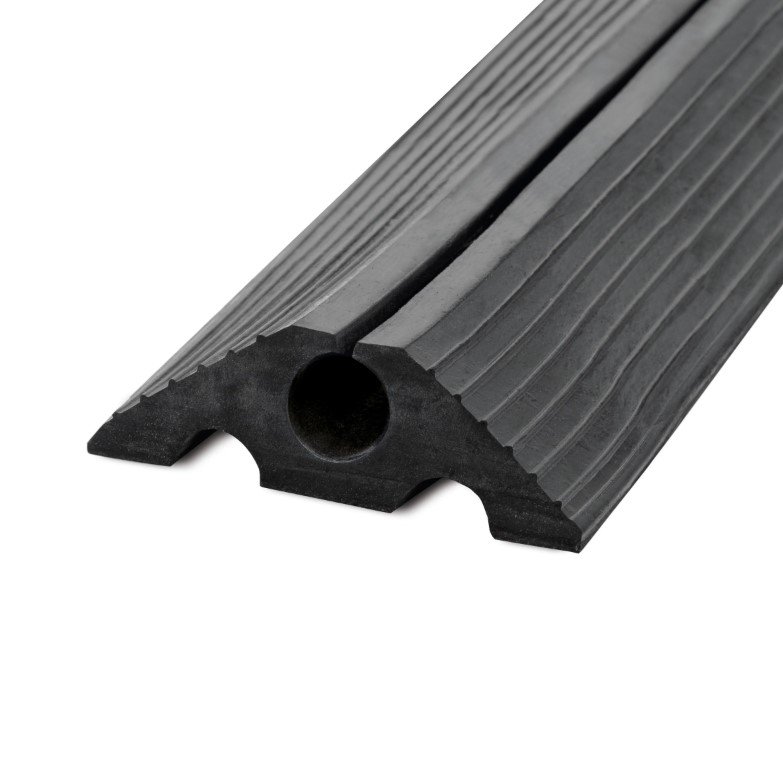
Heavy machinery, constant vehicle movement, and exposed wiring are everyday realities on industrial and construction sites. Without proper protection, cables and hoses can quickly become damaged, creating safety hazards and costly downtime. This is where cable ramp protectors play a crucial role. Designed to shield electrical lines, water pipes, and communication cables, they ensure both operational safety and smooth workflow across high-traffic areas.
What Are Cable Ramp Protectors?
Cable ramp protectors are durable safety devices placed over cables and hoses to protect them from heavy loads, vehicles, and foot traffic. Typically made from rubber, polyurethane, or heavy-duty plastic, they feature a ramped design that allows vehicles like forklifts, trucks, and excavators to pass over safely without crushing the cables underneath.
These protective systems are widely used in industrial zones, construction sites, warehouses, and outdoor events where temporary or permanent cable routing is required across walkways or driveways.
Importance of Cable Protection in Industrial Environments
On construction and industrial sites, exposed wiring is not just a technical issue—it is a serious safety risk. Damaged cables can lead to power outages, equipment failure, or even electrical accidents. Using Cable ramp protectors significantly reduces these risks by creating a secure barrier between heavy loads and sensitive infrastructure.
In addition to safety, these protectors improve operational efficiency. Workers can move equipment freely without worrying about cable damage, and downtime caused by repairs or replacements is minimized.
Key Features of High-Quality Cable Ramp Protectors
When selecting the best protective systems, it is essential to consider several important features. High-quality Cable ramp protectors should offer:
- Heavy Load Capacity: Ability to withstand trucks, forklifts, and construction machinery.
- Durable Materials: Rubber and polyurethane are preferred for long-lasting performance.
- Anti-Slip Surface: Ensures safe movement for both vehicles and pedestrians.
- Modular Design: Allows multiple units to connect for longer cable coverage.
- High Visibility Colors: Yellow or black-and-yellow patterns to prevent accidents.
These features ensure that Cable ramp protectors can perform reliably even in the harshest working environments.
Types of Cable Ramp Protectors
Different job sites require different types of protection systems. The most common types of Cable ramp protectors include:
1. Single Channel Cable Protectors
These are designed for protecting a single cable or hose. They are ideal for light-duty applications such as temporary installations or small construction zones.
2. Multi-Channel Cable Protectors
These models have multiple channels to accommodate several cables at once. They are widely used in industrial sites where power, data, and water lines run together.
3. Heavy-Duty Cable Ramps
Built for extreme conditions, these Cable ramp protectors can handle heavy vehicles like cranes and trucks. They are often used in large-scale construction and mining projects.
4. Flexible Rubber Cable Protectors
Made from soft yet strong rubber, these are suitable for both indoor and outdoor use. They offer good flexibility and easy installation.
Applications in Industrial and Construction Sites
The use of Cable ramp protectors extends across various industries. On construction sites, they are used to protect temporary power lines and machinery cables. In warehouses, they ensure forklift traffic does not damage electrical wiring. They are also common in roadwork zones where utilities must be safely routed across active traffic lanes.
Additionally, event management companies use them for concerts, exhibitions, and outdoor festivals to prevent tripping hazards and equipment damage.
How to Choose the Best Cable Ramp Protectors
Choosing the right Cable ramp protectors depends on several factors:
- Load Requirements: Always check the maximum weight capacity needed for your site.
- Number of Cables: Determine whether you need single or multi-channel protection.
- Environment: Indoor, outdoor, wet, or high-temperature conditions affect material choice.
- Traffic Type: Foot traffic requires lighter ramps, while industrial vehicles require heavy-duty models.
- Ease of Installation: Modular systems are better for temporary setups.
By carefully analyzing these factors, you can ensure the selected Cable ramp protectors provide maximum efficiency and safety.
Installation and Maintenance Tips
Proper installation is key to maximizing the performance of Cable ramp protectors. Always place them on flat, stable surfaces to avoid movement during use. Ensure cables are properly seated inside the channels before closing the top cover.
Maintenance is equally important. Regularly inspect for cracks, wear, or debris buildup. Cleaning the ramps ensures they maintain traction and visibility, especially in dusty or muddy construction environments.
Benefits of Using Cable Ramp Protectors
The advantages of using Cable ramp protectors go beyond simple protection. They help improve workplace safety, reduce repair costs, and extend the lifespan of cables and hoses. Additionally, they help maintain organized work environments, which enhances productivity and reduces accident risks.
For industries that rely heavily on electrical systems and heavy machinery, investing in reliable cable protection is not optional—it is essential.
Conclusion
In modern industrial and construction environments, safety and efficiency go hand in hand. High-quality cable ramp protectors provide a reliable solution for safeguarding essential cables from damage while ensuring smooth movement of vehicles and personnel. From single-channel designs to heavy-duty multi-channel systems, the right choice depends on site requirements and load conditions.
By investing in durable and well-designed protection systems, businesses can significantly reduce risks, minimize downtime, and maintain a safer working environment for everyone involved.
