

Introduction
Pests have been a persistent problem for households and businesses alike. However, with advancements in technology and eco-conscious practices, modern pest control techniques are more effective and sustainable than ever before. These smart solutions not only eliminate pests but also prevent them from returning.
Evolution of Pest Control Methods
Traditional pest control relied heavily on chemical pesticides. While effective, these methods often posed risks to human health and the environment. Today, modern pest control focuses on safer, targeted, and more efficient approaches, such as integrated pest management (IPM).
Integrated Pest Management (IPM)
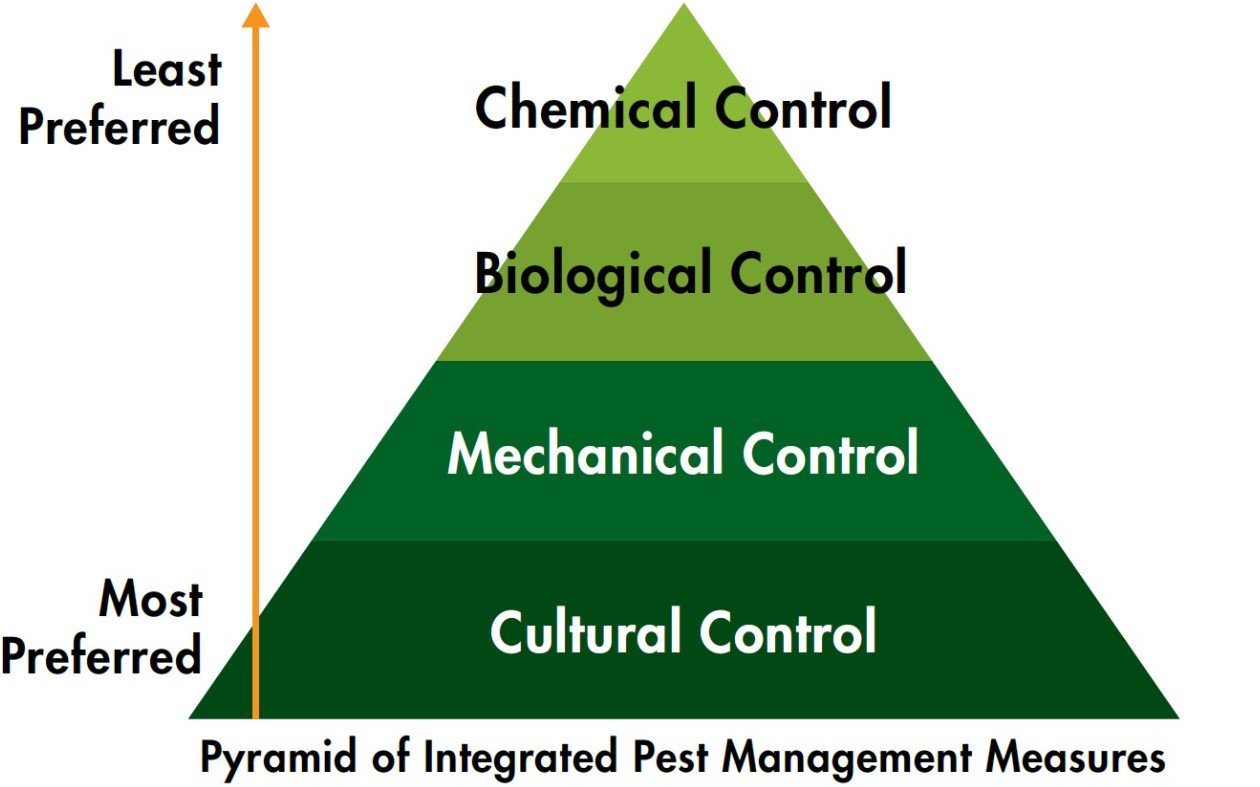
Integrated Pest Management is a comprehensive approach that combines multiple strategies for effective pest control:
- Monitoring pest activity
- Identifying pest species
- Using preventive measures
- Applying targeted treatments only when necessary
IPM minimizes the use of chemicals while maximizing results, making it a preferred method worldwide.
Smart Technology in Pest Control
Technology has revolutionized how we manage pests. Some innovative tools include:
1. Smart Traps
These devices use sensors to detect pests and notify homeowners in real-time via mobile apps.
2. Ultrasonic Repellents
Emit high-frequency sound waves that deter pests without harming humans or pets.
3. Automated Spraying Systems
Deliver precise amounts of pesticide at scheduled intervals, reducing waste and exposure.
These advancements make pest control more efficient and convenient.
Eco-Friendly Pest Control Solutions
Sustainability is a major focus in modern pest management. Eco-friendly pest control methods include:
- Biological control using natural predators
- Organic pesticides derived from plants
- Non-toxic repellents
These methods protect the environment while effectively managing pest populations.
Pest Control for Businesses
Commercial spaces, especially restaurants and warehouses, require strict pest management. Effective pest control in businesses ensures:
- Compliance with health regulations
- Protection of reputation
- Prevention of product loss
Regular inspections and professional services are essential for maintaining pest-free commercial environments.
Outdoor Pest Control Strategies
Pests don’t just stay indoors—they often originate outside. Managing outdoor areas is crucial:
- Trim vegetation and maintain landscaping
- Remove standing water
- Keep outdoor trash bins covered
- Install proper drainage systems
Outdoor pest control reduces the chances of pests entering your home.
DIY vs Professional Pest Control
While DIY methods can handle minor issues, they may not be sufficient for larger infestations. Comparing both options:
| DIY Pest Control | Professional Pest Control |
|---|---|
| Cost-effective | More comprehensive |
| Easy to apply | Expert knowledge |
| Limited results | Long-term solutions |
Choosing the right approach depends on the severity of the problem.
Long-Term Pest Prevention Tips
Consistency is key to effective pest control. Follow these long-term strategies:
- Schedule regular inspections
- Maintain cleanliness
- Store food properly
- Monitor for early signs of infestation
Early detection can prevent major problems and costly repairs.
The Future of Pest Control
The future of pest control lies in innovation and sustainability. Emerging trends include:
- AI-powered pest detection systems
- Drone-based monitoring
- Advanced eco-friendly treatments
These technologies promise safer, faster, and more efficient pest management solutions.
Conclusion
Modern pest control is no longer just about eliminating pests—it’s about creating a balanced, safe, and sustainable environment. By embracing smart technologies, eco-friendly solutions, and proactive strategies, homeowners and businesses can achieve long-term protection. Whether you choose DIY methods or professional services, staying informed and vigilant is the key to keeping pests at bay.
